Agua de Valencia: History, Recipe & Where to Try It
Valencia’s famous orange and cava cocktail
If there is one drink that truly belongs to Valencia, it is Agua de Valencia. The name may translate as Valencia Water, but do not let that fool you. This refreshing cocktail combines fresh orange juice and cava with gin and vodka, making it considerably stronger than it first tastes. Agua de Valencia is usually served chilled in a jug and shared at the table, making it perfect for a sunny afternoon or an evening in Valencia. But where did it come from? What exactly is in it? And where should you order one?
Here is the story behind Valencia’s most famous cocktail.
Last updated: September 2026
What is Agua de Valencia?
Agua de Valencia is a Valencian cocktail traditionally made with:
- fresh orange juice
- cava
- gin
- vodka
- ice
- sometimes a little sugar
The combination makes perfect sense in Valencia. The region is famous for its oranges, while cava and Mediterranean social life complete the picture rather nicely. It tastes fresh, citrusy and deceptively light. And that last point is worth remembering.
Agua de Valencia is much stronger than a glass of orange juice with bubbles might suggest. It is usually served in a carafe or jug and poured into smaller glasses to share.
Who invented Agua de Valencia?
The story begins in 1959. Agua de Valencia is generally credited to Constante Gil, a Galician painter who also ran the Cervecería Madrid in Valencia’s historic centre. According to the story, a group of regular Basque customers had grown tired of ordering what they jokingly called Agua de Bilbao, essentially the best sparkling wine available at the bar.
They challenged Constante Gil to prepare something different. He combined fresh Valencian orange juice with sparkling wine, gin and vodka. And Agua de Valencia was born. The customers liked it so much that they continued ordering it whenever they returned.
What started as an improvised cocktail eventually became one of Valencia’s best-known drinks.
Who was Constante Gil?
Constante Gil was not simply a bartender. He was also an artist and painter, and Cervecería Madrid became a meeting place for artists, writers and Valencia’s nightlife scene during the second half of the twentieth century. That makes the story of Agua de Valencia particularly fitting. The cocktail was not invented in a laboratory or created as a marketing campaign. It came out of the social and creative atmosphere of Valencia itself. Today, the drink has become part of the city’s gastronomic identity.
When did Agua de Valencia become popular?
Interestingly, Agua de Valencia did not become an instant international success. For years, it remained known mainly among customers of the bar and within Valencia’s nightlife scene. It was during the 1970s that the cocktail began becoming much more widely known.
From there, its popularity grew steadily. Today you will find Agua de Valencia on drinks menus throughout the city — from traditional cafés and cocktail bars to modern restaurants.
What does Agua de Valencia taste like?
The first thing you taste is usually the orange. Fresh Valencian orange juice gives the drink its sweetness and citrus flavour, while cava adds freshness and bubbles. The gin and vodka are much less obvious. Which is exactly why Agua de Valencia can catch you by surprise. A well-made version should taste:
- fresh
- citrusy
- slightly sweet
- sparkling
- smooth rather than heavily alcoholic
If all you can taste is vodka or gin, something has probably gone wrong.
Is Agua de Valencia the same as a mimosa?
No. They look similar because both use orange juice and sparkling wine, but an Agua de Valencia contains additional spirits. A typical mimosa is simply: orange juice and sparkling wine while Agua de Valencia adds: gin and vodka That gives the Valencian cocktail considerably more strength and a more complex flavour.
Where can you drink Agua de Valencia in Valencia?
You will find it throughout the city, particularly around the historic centre. Some well-known places traditionally associated with the drink include:
Café de las Horas
Close to Plaza de la Virgen, Café de las Horas is one of Valencia’s best-known places for cocktails and Agua de Valencia. Its extravagant interior alone makes it worth stepping inside.
📍Carrer del Comte d’Almodóvar 1, València
Café Sant Jaume
Located on Carrer dels Cavallers in the historic centre, this is another long-established Valencia café where Agua de Valencia has traditionally been served. But you certainly do not have to restrict yourself to one particular bar.
📍Carrer dels Cavallers, 51, València
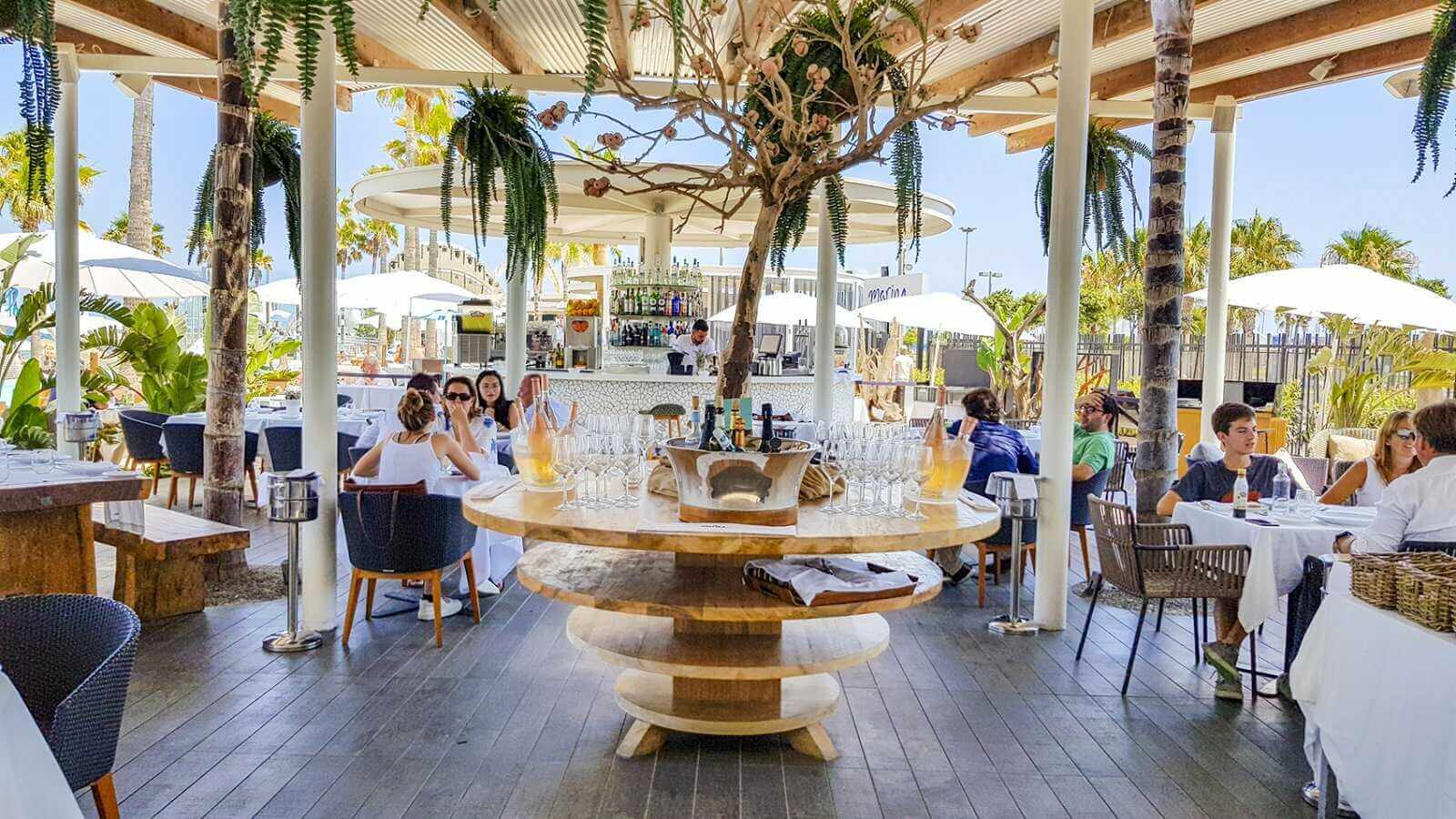
Many cafés and cocktail bars around Ciutat Vella, El Carmen and Ruzafa serve their own version. Our advice is simple: find a terrace you like, order a jug and enjoy it slowly.
What happened to the original Café Madrid?
This is where the history can become slightly confusing. The original establishment associated with Constante Gil was known as Cervecería Madrid, later commonly referred to in connection with Café Madrid. That original bar eventually closed.
A later venue has used the Café Madrid name, but visitors should not assume that they are walking into exactly the same bar in which Constante Gil mixed the first Agua de Valencia in 1959. The important part of the story is the location and the man behind the drink rather than trying to find an untouched original bar.
How do you order Agua de Valencia?
Ordering it is easy. Simply ask for: “Una Agua de Valencia, por favor.” In many bars it is served by the jug rather than as a single cocktail. You might therefore be asked what size you want or how many people will be sharing. For two or more people, a jug is usually the nicest way to drink it. And despite the name, ordering dos aguas de Valencia is unlikely to improve your hydration.
When should you drink Agua de Valencia?
There is no strict rule. Historically, Agua de Valencia was associated particularly with Valencia’s nightlife, but nowadays it is served both during the afternoon and evening. You might have one:
- after lunch
- on a sunny terrace
- before dinner
- during an evening in the Old Town
- as part of a night out in Ruzafa
We would probably avoid ordering one with breakfast. Although the orange juice might try to convince you otherwise.
How to make Agua de Valencia at home
There is no single universally agreed ratio, and bars in Valencia often have their own recipe. But this simple version makes a good jug to share. Ingredients
- 500 ml fresh orange juice
- 500 ml chilled cava
- 100 ml gin
- 100 ml vodka
- ice cubes
- sugar to taste, if needed
- orange slices for garnish
Whenever possible, use freshly squeezed orange juice rather than juice from a carton. It makes a noticeable difference.
Method
1. Squeeze the oranges
Strain the juice if you prefer a smoother cocktail without pulp.
2. Add the spirits
Pour in the gin and vodka and mix gently.
3. Add the cava
Pour in the chilled cava shortly before serving. Stir gently rather than shaking the mixture so you keep as much of the fizz as possible.
4. Taste before adding sugar
Good oranges may already provide enough sweetness. Only add sugar if you think it needs it.
5. Serve cold
Add ice and garnish with orange slices. Then place the jug on the table and share.
Salud!
Which cava should you use?
You do not need an expensive bottle. A dry or semi-dry Spanish cava works well because the orange juice already brings sweetness to the drink. The same applies to the gin and vodka. Agua de Valencia is about balance rather than showcasing one premium spirit. The ingredient we would spend the most effort on is actually the simplest: good fresh oranges.
Can you drink Agua de Valencia in Moraira?
Yes. You do not necessarily have to drive all the way to Valencia whenever you fancy one. Cocktail bars and restaurants around Moraira also serve Agua de Valencia, particularly during the warmer months.
But drinking one in Valencia itself, perhaps after walking through the Old Town or cycling through the Turia Gardens, adds something to the experience.
Just as paella tastes slightly more appropriate beside the rice fields of Albufera, Agua de Valencia belongs naturally to the city that created it.
Combine Agua de Valencia with a day in Valencia
If you are staying in Moraira, Valencia makes an excellent full-day trip. For a first visit, we might plan something like: Historic centre · Mercado Central · lunch · Turia Gardens · City of Arts and Sciences · Agua de Valencia before heading home Or explore the city by bicycle and ask your guide for a favourite place to try the cocktail afterwards.
👉🏻 Things to Do in Valencia
👉🏻 Cycling in Valencia
And if Valencia’s food traditions interest you, there is another story that deserves its own article:
[Internal link: Discover where paella comes from and the rice fields of Valencia]
Valencia oranges and Spanish food culture
One of the reasons Agua de Valencia works so well as a local cocktail is that its main ingredient is closely connected with the region. Oranges have shaped the agricultural landscape around Valencia for generations. Likewise, rice cultivation around Albufera has influenced the region’s most famous dishes.
That combination of local ingredients and social eating and drinking is one of the things we enjoy most about visiting Valencia. You do not need to spend all day inside museums to understand the city. Sometimes a market, a long lunch and a cold jug on a terrace tell you just as much.
Staying in Moraira?
Moraira Holiday Homes has specialised in holiday accommodation in Moraira and nearby Benissa Costa since 2004. Moraira gives you the relaxed atmosphere of a smaller Mediterranean town while cities such as Valencia are still close enough for a day trip.
Our collection includes private villas with swimming pools and sea views, together with apartments and penthouses in Moraira town centre. Because we live locally, we are also happy to share our favourite ideas for restaurants, beaches and places to visit during your holiday.
👉🏻 Explore our holiday homes in Moraira
Frequently Asked Questions about Agua de Valencia
What is Agua de Valencia?
Agua de Valencia is a cocktail from Valencia made with fresh orange juice, cava, gin and vodka. It is normally served chilled, often in a jug to share.
Who invented Agua de Valencia?
Agua de Valencia is credited to painter and bar owner Constante Gil, who created the cocktail in Valencia in 1959.
When was Agua de Valencia invented?
The drink was created in 1959 at Cervecería Madrid in Valencia.
Why is it called Agua de Valencia?
The name emerged as a playful response to regular customers who referred to sparkling wine as Agua de Bilbao. Constante Gil created his own Valencia version, which became known as Agua de Valencia.
What alcohol is in Agua de Valencia?
The traditional combination includes cava, gin and vodka, together with fresh orange juice.
Is Agua de Valencia strong?
Yes. It tastes fresh and fruity, but it contains both sparkling wine and spirits, so its alcohol content is considerably higher than the flavour initially suggests.
Is Agua de Valencia the same as a mimosa?
No. A mimosa normally contains orange juice and sparkling wine. Agua de Valencia also contains gin and vodka.
Is Agua de Valencia served by the glass or jug?
Both are possible, but it is traditionally very common to order a jug or carafe to share.
Where can you drink Agua de Valencia?
Many bars and restaurants in Valencia serve it, especially in the historic centre and neighbourhoods such as El Carmen and Ruzafa. You can also find it at various bars along the Costa Blanca.
Can I make Agua de Valencia at home?
Yes. Fresh orange juice, cava, gin and vodka are the essential ingredients. Serve it very cold and add sugar only if the oranges are not sweet enough.
Does Agua de Valencia contain real Valencian oranges?
A good version should ideally be made with fresh orange juice. When making it yourself in Valencia or on the Costa Blanca, using local oranges makes perfect sense.